


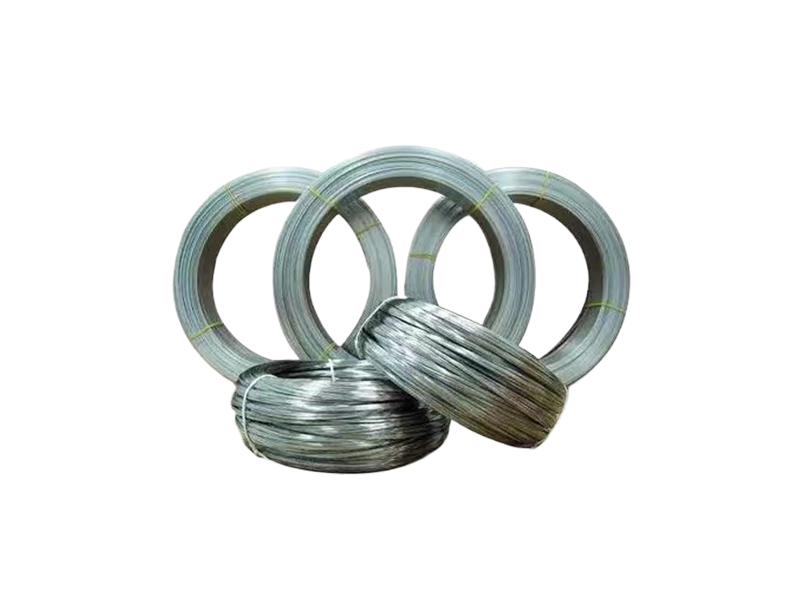
The Cr content in 800 alloy is usually 15-25%, the nickel content is 30-45%, and it contains a small amount of aluminum and titanium. After rapid cooling from high temperature, 800 alloy is in the austenite single area, so the use state is a single austenite structure. The alloy has a high chromium content and sufficient nickel content, so it has a high resistance to high temperature corrosion and is widely used in industry.

An alloy comparable to Incoloy 825[1] alloy - a high-Ni, highly corrosion-resistant nickel-based alloy with extremely high corrosion resistance to both oxidizing and non-oxidizing acids. Because Incoloy 825 alloy is rich in Cr, Mo, and Cu, it has good general corrosion resistance to both oxidizing acids and non-oxidizing acids. Especially has extremely high corrosion resistance to sulfuric acid. Due to the high content of Cr, Mo, and Ni, it has excellent pitting corrosion resistance, crevice corrosion resistance, and stress corrosion cracking resistance in chloride environments. Incoloy 825 alloy controls the carbon content to very low levels, is not easily sensitized during welding, and has low susceptibility to intergranular corrosion.
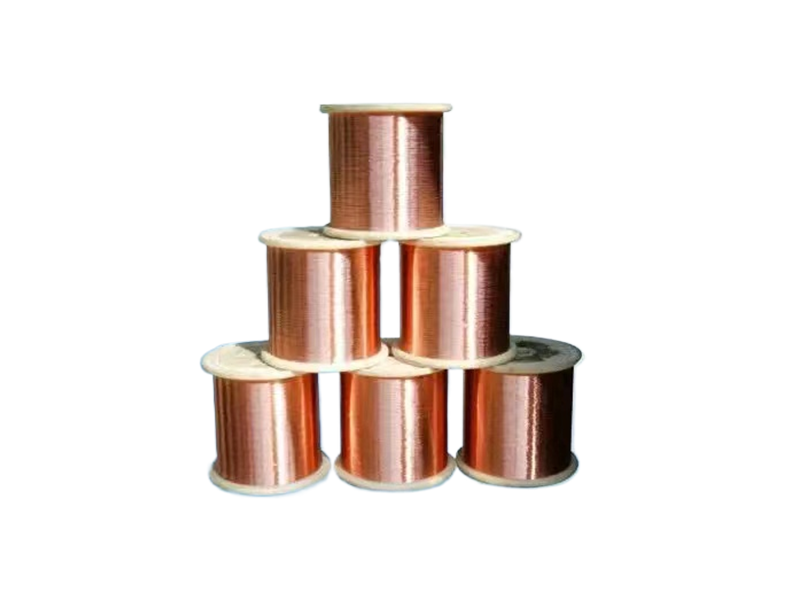
Manganese copper 6J8 6J12 6J13
Manganese copper 6J8 6J12 6J13 has very low resistance, temperature coefficient, low electric heating potential to copper, and high stability of resistance. It has a high resistivity and is a superior resistance alloy material. 6J12 is called manganese copper; 6J8 and 6J13 are called shunt manganese copper. Used on the splitter. The supply status is generally soft, but it can also be supplied in hard or semi hard state according to user needs;
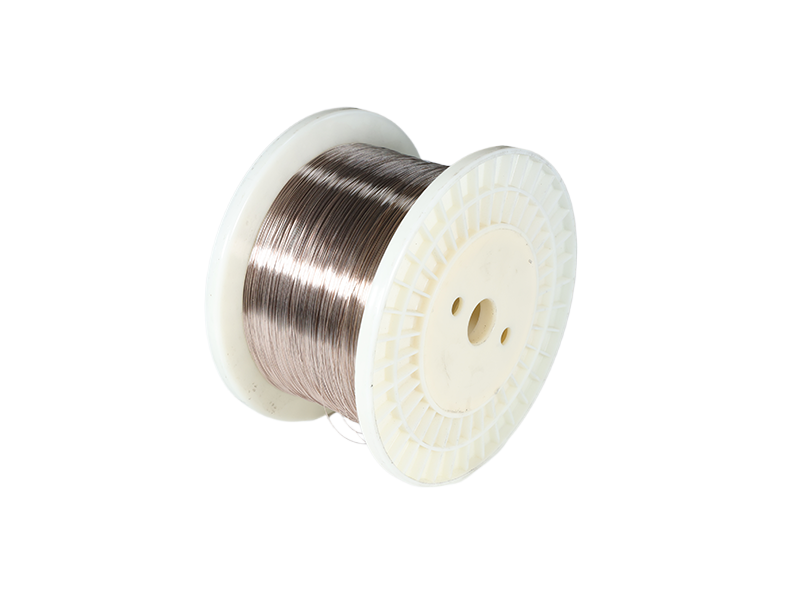
CuNi44 resistance material is an alloy material, composed of copper and nickel. It is characterized by high resistance and a fairly small temperature coefficient of resistance. It has good electrical resistance, high tensile strength and corrosion resistance, and can be used at temperatures up to 400°C (750 °F).
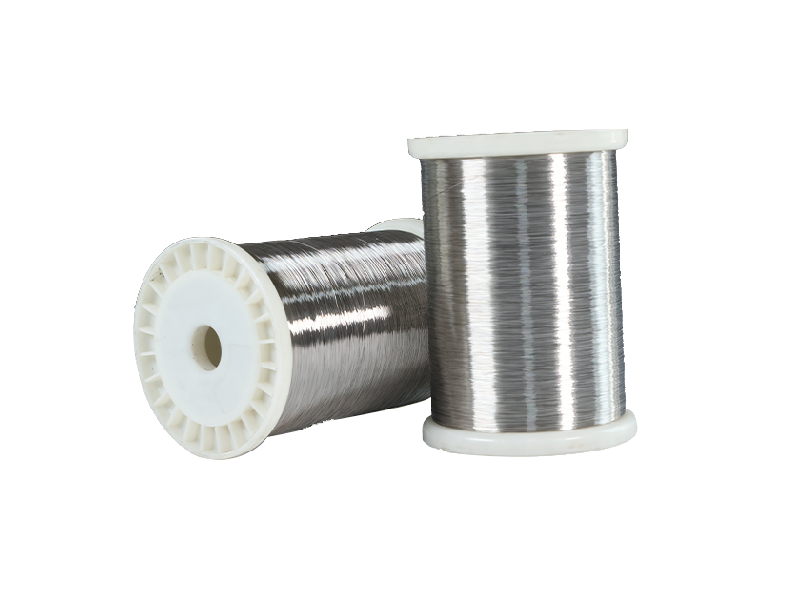
Pure nickel is a silvery white metal, because of its excellent corrosion resistance, high electrical vacuum performance and electromagnetic control performance, widely used in chemical industry, machinery and electronics, food and so on. Pure nickel has excellent welding performance and processing performance. Nickel and nickel alloys can be processed into tube bar wire plate with foil products. N6 is the most widely used material in industry. It has good mechanical properties and excellent corrosion resistance in many corrosive environments, especially caustic soda corrosion resistance.
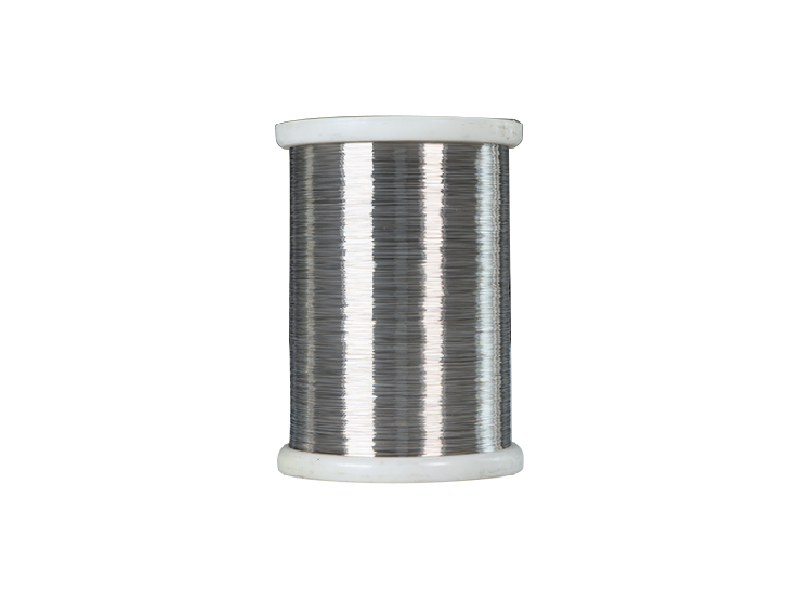
N4(Nickel 201,N02201) pure nickel alloy is a kind of manganese, copper and other trace elements and the main nickel composition of pure nickel alloy, it has good mechanical properties and excellent resistance in many corrosive environments. Other useful characteristics of the alloy include its magnetic properties, magnetostrictive properties, high thermal and electrical conductivity, low air content, and low evaporation pressure. The corrosion resistance of N4 makes it particularly useful in applications such as food, rayon and caustic where product purity needs to be assured. It is also widely used in structural applications when corrosion resistance is a major consideration. Other uses include chemical delivery drums, electrical and electronic components, aerospace and missile components.

Cr20Ni80 is a resistance electric heating alloy, such alloy tissue stability, electrical physical characteristics of stability, high temperature mechanical properties, good cold deformation plasticity, good weldability, long-term use will not produce brittle fracture. It is mostly used in the manufacture of household appliances and heating elements with working temperature below 1000 ℃, with long service life. Due to the high nickel content, the price is higher.
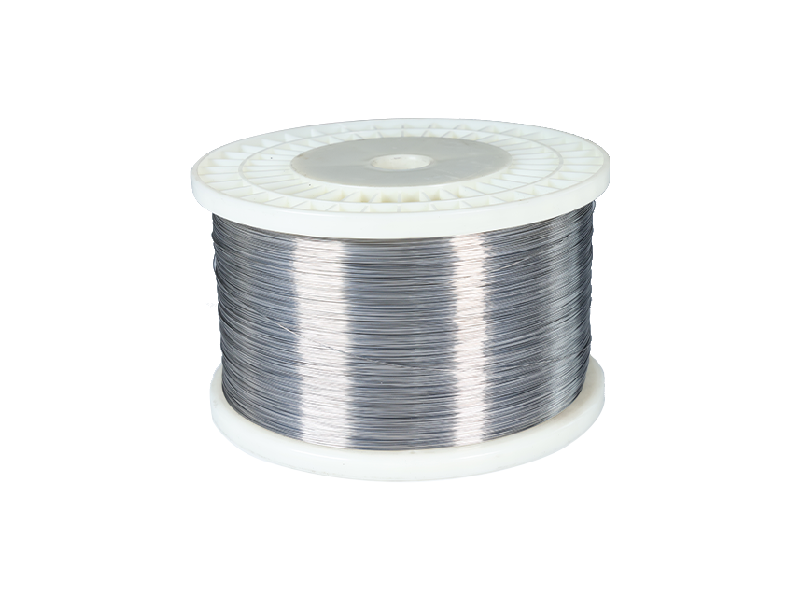
Nichrome wire 2035, also known as Cr20Ni35, is a nickel-chromium alloy known for its high resistivity, good oxidation resistance, high temperature strength, and good cold forming properties. In addition, nickel-chromium wire 2035 also has good corrosion resistance and can work stably for a long time in harsh environments, so it is especially suitable for aerospace, energy, chemical and other fields.
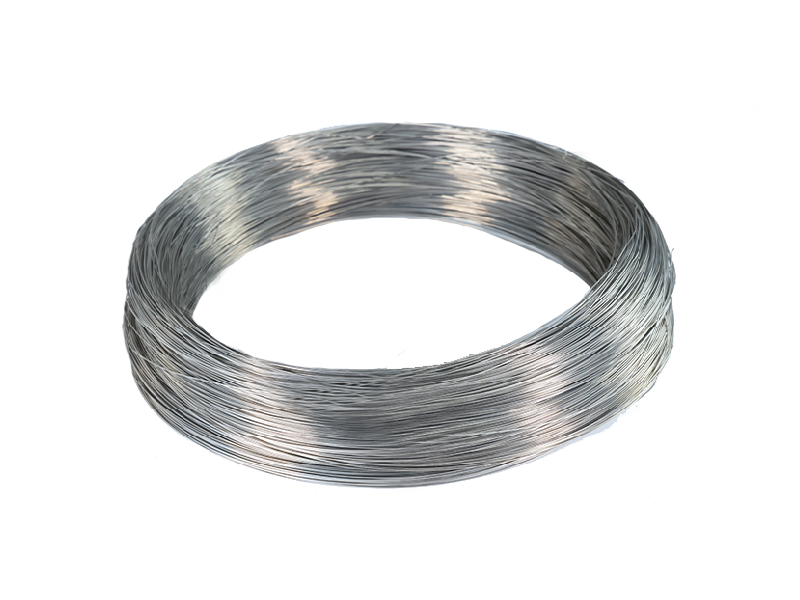
In a certain temperature range with matching thermocouple thermal electromotive force of nominally the same pair of wires called compensation wire. They are used to connect the thermocouple and the measuring device to compensate for the error caused by the temperature change at the connection between them and the thermocouple. The compensation wire is divided into two types: extension type and compensation type due to the different alloy materials of the core wire. 1. Compensation type wire: the chemical composition of the alloy wire is different from that of the thermocouple wire, but its thermoelectric potential value is the same as that of the thermocouple, and "C" is used to indicate the compensation type. Examples: SC, KC, etc. 2. Extended compensation wire: the chemical composition and thermoelectric potential of the alloy wire are the same as those of the thermocouple wire. The extended form is indicated by "X. Example: KX, TX, etc. Line.
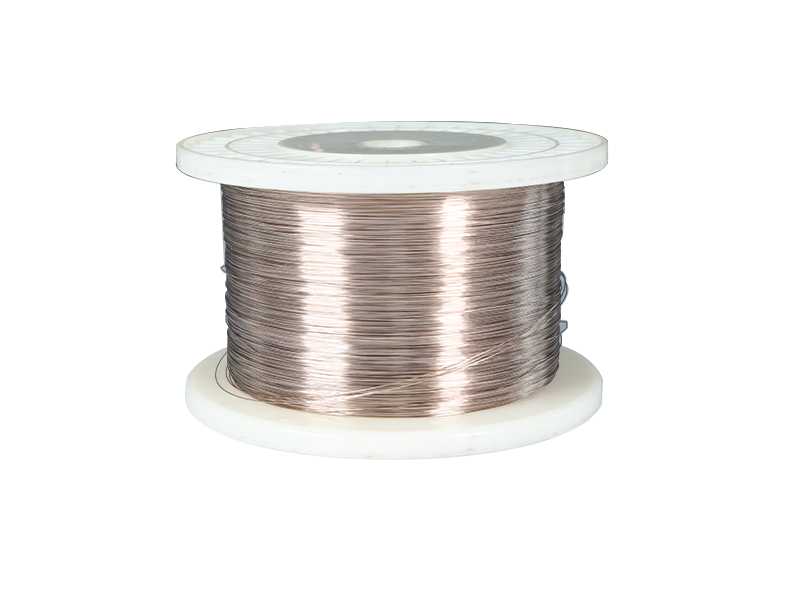
Constantan 6J40 resistance alloy is mainly composed of nickel, copper, iron and manganese. It has high density and melting point, low thermal expansion coefficient, good resistivity and magnetic properties. In addition, it also has good corrosion resistance, high temperature stability and mechanical properties. Constantan 6J40 resistance alloy is widely used in electronic equipment, instrumentation, aerospace and other fields. The chemical composition and physical properties will be described in detail below.

Xinkang copper resistance alloy is a kind of copper-manganese-aluminum resistance alloy made by replacing nickel in manganese-copper alloy with aluminum. The corrosion resistance of the alloy is also improved by increasing the allowable working temperature. However, the aluminum content in the alloy is increased, which is easy to produce alloy segregation. Although the long-term stability of the alloy is good, it is not as good as the manganese-copper alloy. Such alloys are suitable for the manufacture of various electrical varistors and resistance elements.
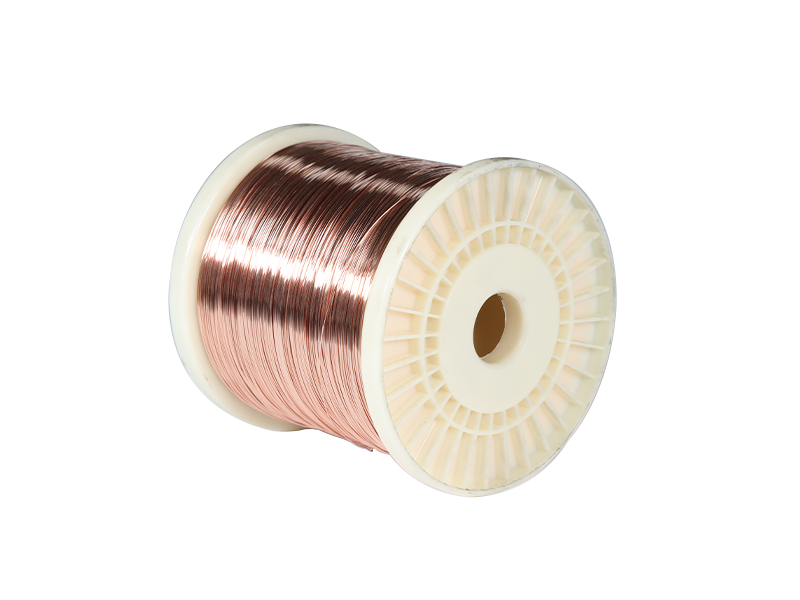
Copper-nickel alloy is a metal material, mainly composed of copper and nickel, in which the proportion of copper is usually 60%-90%, and the proportion of nickel is 10%-40%. Copper-nickel alloy has excellent mechanical properties, chemical properties and corrosion resistance, and is widely used in industrial and aviation fields.
Contact Us
Address: Caita Village, Lvcheng Town, Danyang City, Jiangsu Province


Scan code to add WeChat
Copyright©Danyang Lihang Alloy Technology Co., Ltd. All Rights Reserved
Powered by: www.300.cn | Tags