


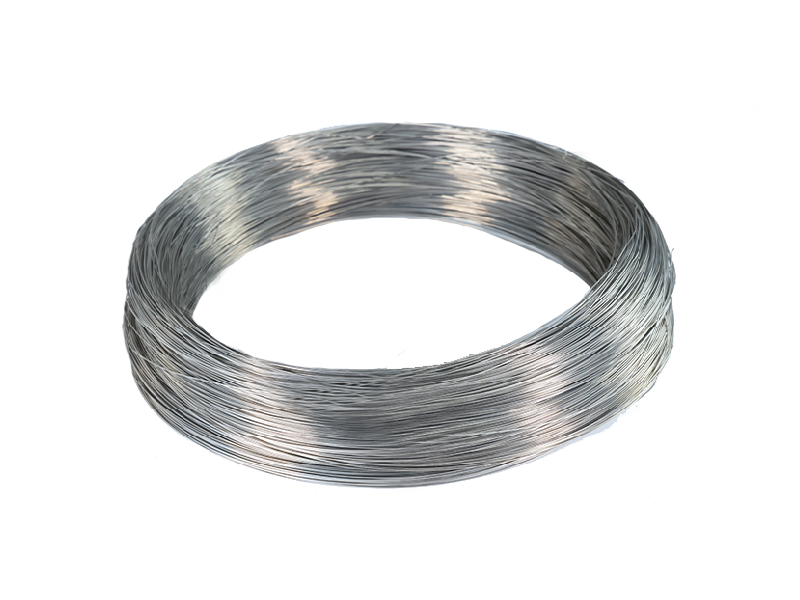
In a certain temperature range with matching thermocouple thermal electromotive force of nominally the same pair of wires called compensation wire. They are used to connect the thermocouple and the measuring device to compensate for the error caused by the temperature change at the connection between them and the thermocouple. The compensation wire is divided into two types: extension type and compensation type due to the different alloy materials of the core wire. 1. Compensation type wire: the chemical composition of the alloy wire is different from that of the thermocouple wire, but its thermoelectric potential value is the same as that of the thermocouple, and "C" is used to indicate the compensation type. Examples: SC, KC, etc. 2. Extended compensation wire: the chemical composition and thermoelectric potential of the alloy wire are the same as those of the thermocouple wire. The extended form is indicated by "X. Example: KX, TX, etc. Line.
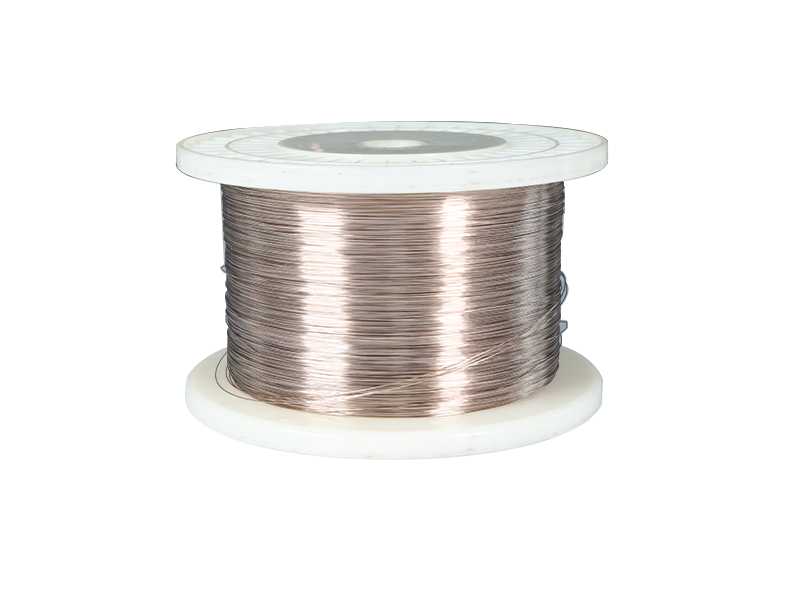
Constantan 6J40 resistance alloy is mainly composed of nickel, copper, iron and manganese. It has high density and melting point, low thermal expansion coefficient, good resistivity and magnetic properties. In addition, it also has good corrosion resistance, high temperature stability and mechanical properties. Constantan 6J40 resistance alloy is widely used in electronic equipment, instrumentation, aerospace and other fields. The chemical composition and physical properties will be described in detail below.

Xinkang copper resistance alloy is a kind of copper-manganese-aluminum resistance alloy made by replacing nickel in manganese-copper alloy with aluminum. The corrosion resistance of the alloy is also improved by increasing the allowable working temperature. However, the aluminum content in the alloy is increased, which is easy to produce alloy segregation. Although the long-term stability of the alloy is good, it is not as good as the manganese-copper alloy. Such alloys are suitable for the manufacture of various electrical varistors and resistance elements.
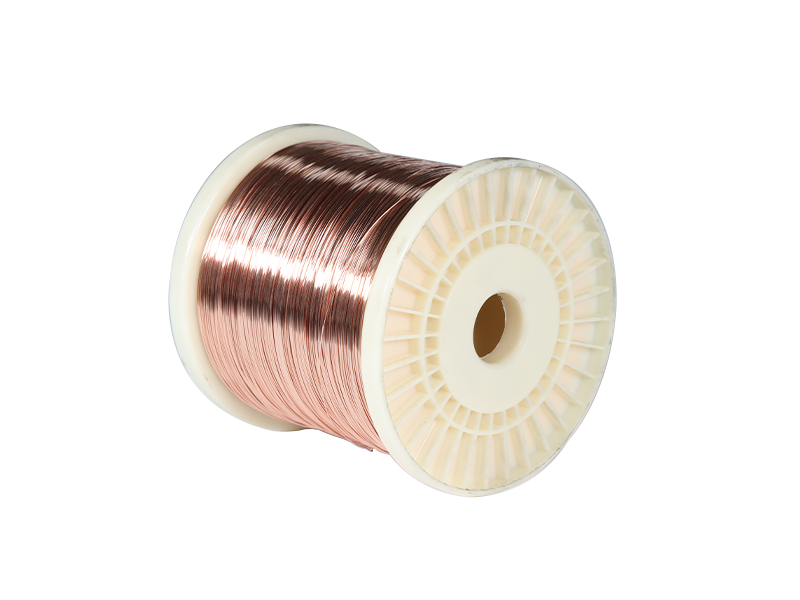
Copper-nickel alloy is a metal material, mainly composed of copper and nickel, in which the proportion of copper is usually 60%-90%, and the proportion of nickel is 10%-40%. Copper-nickel alloy has excellent mechanical properties, chemical properties and corrosion resistance, and is widely used in industrial and aviation fields.
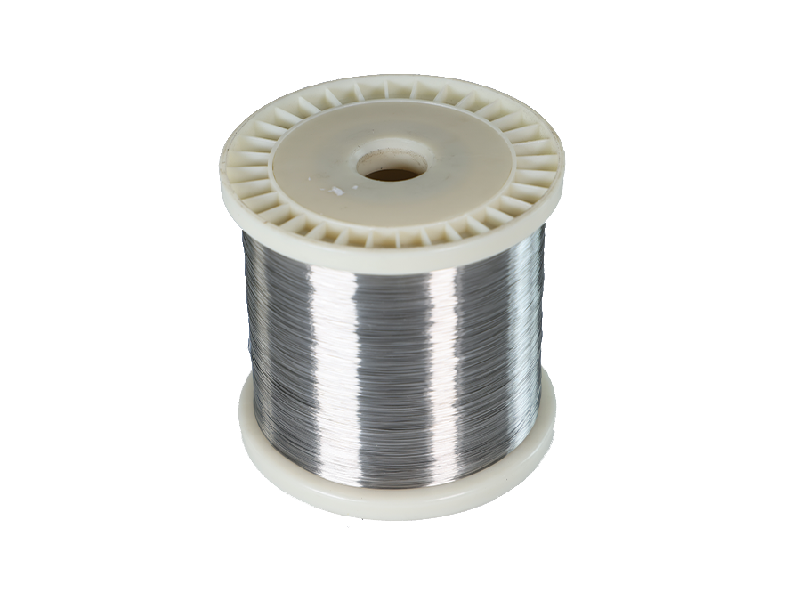
MONEL K500, also known as UNS N05500, has the same corrosion resistance as Aloy 400, but has higher mechanical strength and hardness. It has good heat corrosion resistance and long-term organizational stability.

Monel 400 is a single phase solid solution Ni-Cu alloy, which has good corrosion resistance in many media environments. From a slight oxidizing medium environment to a neutral environment, to a suitable reducing environment, it has good corrosion resistance. Such alloys have a long history of use as corrosion-resistant materials.
Contact Us
Address: Caita Village, Lvcheng Town, Danyang City, Jiangsu Province


Scan code to add WeChat
Copyright©Danyang Lihang Alloy Technology Co., Ltd. All Rights Reserved
Powered by: www.300.cn | Tags